2
Peer-reviewed publications
Patient Registry data contributed to research on treatment priorities and hyperphagia in craniopharyngioma.
Transforming lived experience into research, advocacy, and better treatments.
Explore our impact ↓Download full PDF ↗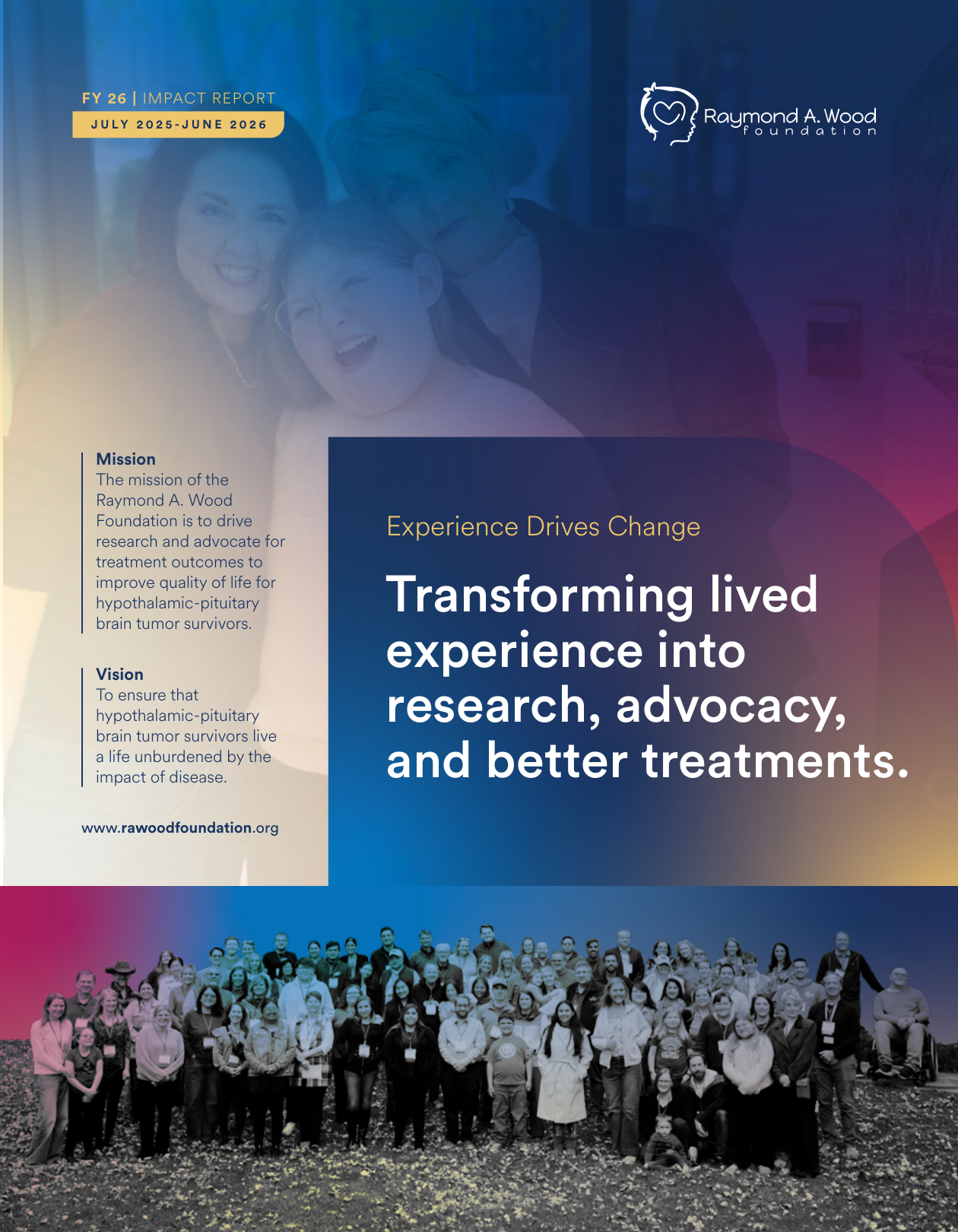
Patients and caregivers helped shape research, innovation, advocacy, and support throughout FY26.
Patient Registry data contributed to research on treatment priorities and hyperphagia in craniopharyngioma.
Patients, caregivers, researchers, clinicians and sponsors came together in Philadelphia.
Distributed to families to support sodium monitoring from home.
Patient and caregiver perspectives are helping RAWF shape research priorities, support new evidence, and advance practical solutions for life after a hypothalamic-pituitary brain tumor.
Data from the Hypothalamic-Pituitary Brain Tumors Patient Registry contributed to two peer-reviewed publications on treatment priorities and hyperphagia in craniopharyngioma. A third manuscript examining fatigue was under scientific review during FY26.
The Registry became available in English, French, and Spanish, widening opportunities for international participation and more representative patient-centered research.
RAWF supported development and validation of a proprietary cartridge for an at-home sodium meter, a key milestone toward a technology designed to support safer sodium monitoring at home.
Two peer-reviewed publications drew on patient and caregiver experiences: Treatment Priorities in Craniopharyngioma and Advancing Understanding of Hyperphagia in Craniopharyngioma. A third manuscript examining fatigue was under review.
The Hypothalamic-Pituitary Brain Tumors Patient Registry expanded to English, French, and Spanish, making it easier for more families to contribute their experiences.
RAWF advanced cartridge development and validation for an at-home sodium meter, while exploring future regulatory and commercialization pathways.
RAWF contributed patient perspectives to treatment-access discussions and helped elevate lived experience during the development and review of therapies for acquired hypothalamic obesity.
Held November 15–16 at the Children's Hospital of Philadelphia, the conference brought more than 100 people together for learning, peer connection, and conversations about resilience and grief.
RAWF continued monthly caregiver and survivor support groups and offered individualized grief support.
Four handheld blood analyzers were distributed to families, alongside training and ongoing support.
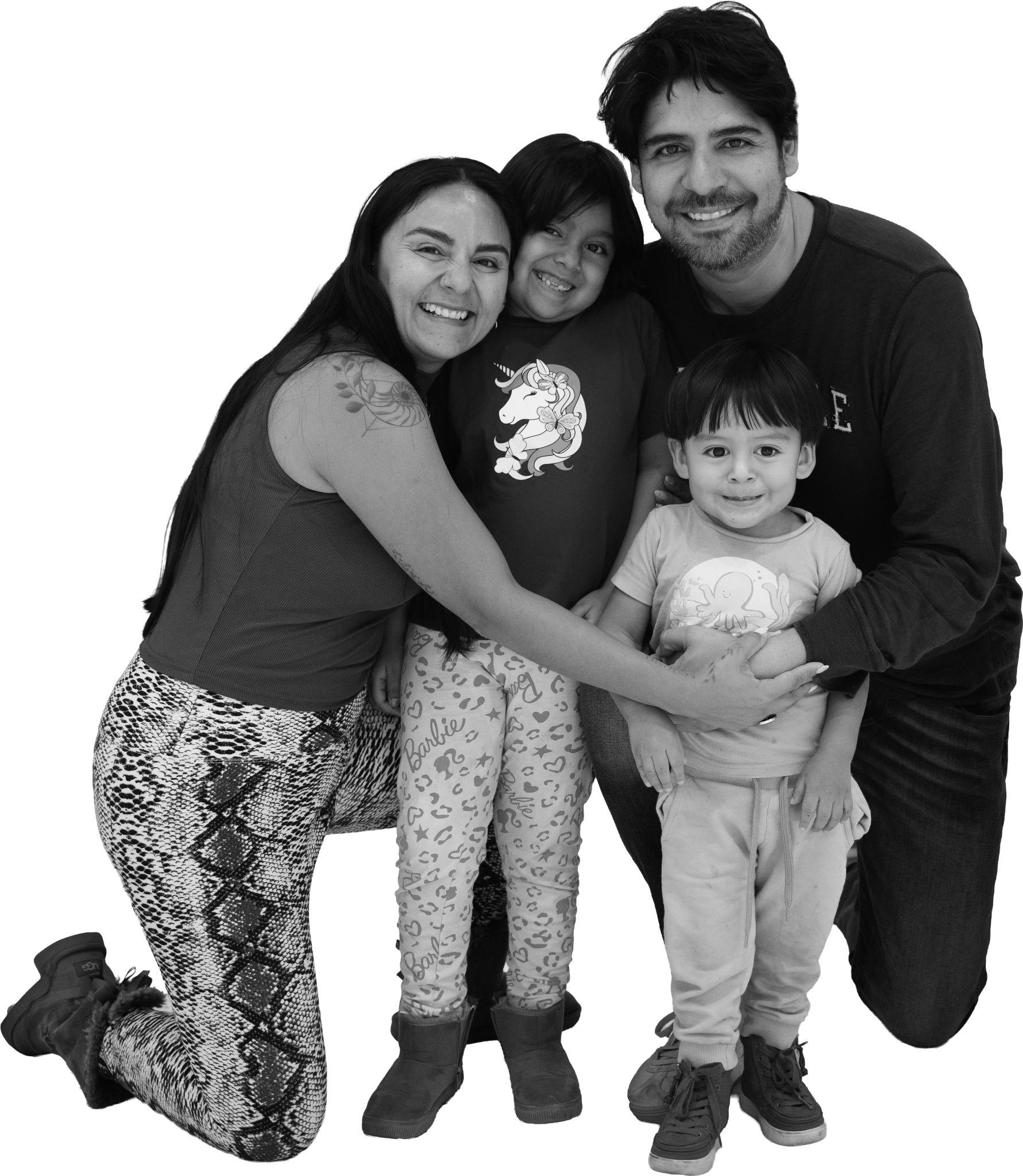
Behind every research finding is a person or family living with the lasting effects of a hypothalamic-pituitary brain tumor. Their experiences help define what progress should look like.
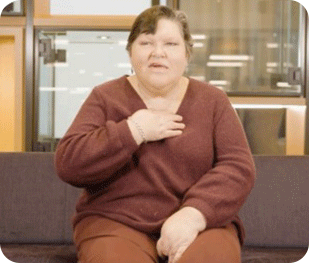
“...it's a life sentence because it really has affected me for life.”Kathleen
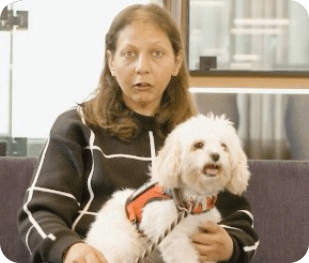
“The hyperphagia was just, it's extremely socially isolating.”Erin
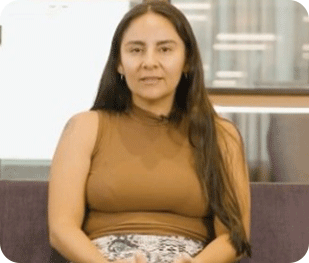
“After the surgery, she is very weak—almost helpless—and sleepy all day; she is constantly dozing and lacks the energy to do anything.”Maria
These perspectives are featured in the FY26 Impact Report.
Watch patient stories ↗RAWF strategically drew on reserves to fund multiyear research and program commitments. See the full PDF for revenue sources and additional financial context.
Support patient-centered research, advocacy, innovation, and resources for hypothalamic-pituitary brain tumor survivors and their families.
Support our work ↗Read the full FY26 report ↗Request a Printed Copy ↗